
language
English
العربية
বাংলাদেশ
Български
Hrvatski
Česky
Dansk
Nederland
 Esperanto
Slovenski
Filipino
Suomi
Français
Maori
 Shqiptare
Georgian
 Euskara
Deutsch
Ελλάδα
ישראל
इंडिया
Magyarország
Ísland
Indonesia
Irlanda
Italia
日本語
Sovensko
Հայաստան
한국
Kyrgyz
ປະເທດລາວ
 Zulu
Zulu
Latvian
Lithuanian
Luxembourgish
 Latinus
Macedonian
Малайская
Maltese
Монгол улс
 Cymraeg
ဗမာ
 தமிழ்
தமிழ்
नेपाल
Norge
ایران
Polska
Portugal
România
Российская
Србија
 Slovak
Србија
 Slovak
Bosanski
Slovenian
Беларус
España
Sverige
Точик
ประเทศไทย
Türk
Azərbaycan
Uzbek
 Afrikaans
Việt Nam

 +8617661668329
 NEWS
Why Choose Medium Density Fiberboard for Your Building Needs
2023-08-17
Table of Contents:
1. Introduction to Medium Density Fiberboard
2. Strength and Durability of MDF
3. Cost-Effectiveness and Affordability
4. Environmental Friendliness of MDF
5. Versatility in Design and Application
6. Common Uses of Medium Density Fiberboard
7. FAQs about Medium Density Fiberboard
8. Conclusion
1. Introduction to Medium Density Fiberboard
Medium Density Fiberboard (MDF) is a popular material used in the construction and design industry due to its exceptional characteristics and versatility. It is made by breaking down wood fibers and combining them with resin and wax, which are then compressed under high pressure and temperature. This process results in a durable and cost-effective material that is widely used for various applications.
2. Strength and Durability of MDF
MDF is known for its strength and durability, making it an excellent choice for building needs. It has a high density, which enhances its structural integrity and resistance to warping, cracking, and splitting. Moreover, MDF has a smooth and uniform surface that allows for easy finishing with paints, stains, or laminates, adding to its overall strength and aesthetic appeal.
3. Cost-Effectiveness and Affordability
One of the primary reasons to choose MDF for your building needs is its cost-effectiveness and affordability. Compared to solid wood or other engineered wood products, MDF offers a more budget-friendly option without compromising on quality. Its production process allows for efficient use of raw materials, reducing waste and lowering production costs, making it an economical choice for both large-scale projects and smaller applications.
4. Environmental Friendliness of MDF
In today's environmentally conscious world, MDF stands out as an eco-friendly choice for construction and design. It is made from sustainable and renewable wood sources, such as residual wood fibers from sawmills and wood processing facilities. By utilizing these by-products, MDF helps reduce deforestation and waste while promoting a circular economy. Additionally, MDF can be recycled, further minimizing its environmental impact.
5. Versatility in Design and Application
MDF's versatility makes it highly sought after in the design industry. It can be easily shaped, cut, and molded into various forms, allowing for intricate designs and customized creations. Whether you're looking for intricate furniture pieces, decorative panels, or interior architectural elements, MDF provides endless design possibilities. Its smooth surface also makes it ideal for engraving, routing, and creating decorative patterns.
6. Common Uses of Medium Density Fiberboard
MDF finds widespread applications in both residential and commercial projects. Some common uses include:
a) Furniture: MDF is extensively used in furniture manufacturing, including cabinets, tables, chairs, bed frames, and shelving units. Its strength, versatility, and affordability make it a preferred choice for both functional and decorative pieces.
b) Interior Design: MDF is often used in interior applications such as wall paneling, baseboards, crown moldings, and ornamental trims. It provides a sleek and uniform finish, enhancing the overall aesthetics of any space.
c) Doors and Windows: MDF is an excellent material for crafting doors and window frames due to its dimensional stability and resistance to moisture. It can be painted or finished to match any interior or exterior design style.
d) Exhibition Stands and Displays: MDF's versatility in shaping and customization makes it an ideal choice for creating exhibition stands, trade show displays, and retail fixtures. It offers a durable and visually appealing solution for showcasing products and attracting attention.
e) Soundproofing and Acoustic Panels: MDF's dense composition makes it an effective material for soundproofing and acoustic applications. It helps reduce noise transmission and reverberation, making it ideal for recording studios, home theaters, and commercial spaces.
7. FAQs about Medium Density Fiberboard
Q1: Is MDF as strong as solid wood?
A1: While MDF may not have the same natural strength as solid wood, it offers excellent strength and durability for most applications. Its engineered composition enhances its resistance to warping and splitting.
Q2: Can MDF be used in wet areas such as bathrooms?
A2: MDF is not suitable for high-moisture environments as it can absorb water and swell. However, moisture-resistant MDF (MR-MDF) is available for use in areas with moderate humidity levels.
Q3: Is MDF safe for indoor use?
A3: MDF is safe for indoor use when manufactured according to industry standards. However, it is essential to ensure proper ventilation during cutting or sanding to minimize the inhalation of dust particles.
Q4: Can MDF be painted?
A4: Yes, MDF can be painted, stained, or finished with various coatings. Its smooth surface allows for easy application and a flawless finish.
Q5: Is MDF environmentally friendly?
A5: Yes, MDF is considered environmentally friendly because it is made from recycled wood fibers and can be recycled itself. Additionally, the efficient use of raw materials reduces waste and promotes sustainability.
8. Conclusion
Medium Density Fiberboard (MDF) offers numerous advantages for your building needs. Its strength, durability, cost-effectiveness, and versatility make it a preferred choice for construction and design professionals. Whether you're looking for furniture, interior elements, or specialized applications, MDF's unique properties and eco-friendly nature make it an excellent option. Consider incorporating MDF into your next project and experience the benefits it has to offer.
1. Introduction to Medium Density Fiberboard
2. Strength and Durability of MDF
3. Cost-Effectiveness and Affordability
4. Environmental Friendliness of MDF
5. Versatility in Design and Application
6. Common Uses of Medium Density Fiberboard
7. FAQs about Medium Density Fiberboard
8. Conclusion
1. Introduction to Medium Density Fiberboard
Medium Density Fiberboard (MDF) is a popular material used in the construction and design industry due to its exceptional characteristics and versatility. It is made by breaking down wood fibers and combining them with resin and wax, which are then compressed under high pressure and temperature. This process results in a durable and cost-effective material that is widely used for various applications.
2. Strength and Durability of MDF
MDF is known for its strength and durability, making it an excellent choice for building needs. It has a high density, which enhances its structural integrity and resistance to warping, cracking, and splitting. Moreover, MDF has a smooth and uniform surface that allows for easy finishing with paints, stains, or laminates, adding to its overall strength and aesthetic appeal.
3. Cost-Effectiveness and Affordability
One of the primary reasons to choose MDF for your building needs is its cost-effectiveness and affordability. Compared to solid wood or other engineered wood products, MDF offers a more budget-friendly option without compromising on quality. Its production process allows for efficient use of raw materials, reducing waste and lowering production costs, making it an economical choice for both large-scale projects and smaller applications.
4. Environmental Friendliness of MDF
In today's environmentally conscious world, MDF stands out as an eco-friendly choice for construction and design. It is made from sustainable and renewable wood sources, such as residual wood fibers from sawmills and wood processing facilities. By utilizing these by-products, MDF helps reduce deforestation and waste while promoting a circular economy. Additionally, MDF can be recycled, further minimizing its environmental impact.
5. Versatility in Design and Application
MDF's versatility makes it highly sought after in the design industry. It can be easily shaped, cut, and molded into various forms, allowing for intricate designs and customized creations. Whether you're looking for intricate furniture pieces, decorative panels, or interior architectural elements, MDF provides endless design possibilities. Its smooth surface also makes it ideal for engraving, routing, and creating decorative patterns.
6. Common Uses of Medium Density Fiberboard
MDF finds widespread applications in both residential and commercial projects. Some common uses include:
a) Furniture: MDF is extensively used in furniture manufacturing, including cabinets, tables, chairs, bed frames, and shelving units. Its strength, versatility, and affordability make it a preferred choice for both functional and decorative pieces.
b) Interior Design: MDF is often used in interior applications such as wall paneling, baseboards, crown moldings, and ornamental trims. It provides a sleek and uniform finish, enhancing the overall aesthetics of any space.
c) Doors and Windows: MDF is an excellent material for crafting doors and window frames due to its dimensional stability and resistance to moisture. It can be painted or finished to match any interior or exterior design style.
d) Exhibition Stands and Displays: MDF's versatility in shaping and customization makes it an ideal choice for creating exhibition stands, trade show displays, and retail fixtures. It offers a durable and visually appealing solution for showcasing products and attracting attention.
e) Soundproofing and Acoustic Panels: MDF's dense composition makes it an effective material for soundproofing and acoustic applications. It helps reduce noise transmission and reverberation, making it ideal for recording studios, home theaters, and commercial spaces.
7. FAQs about Medium Density Fiberboard
Q1: Is MDF as strong as solid wood?
A1: While MDF may not have the same natural strength as solid wood, it offers excellent strength and durability for most applications. Its engineered composition enhances its resistance to warping and splitting.
Q2: Can MDF be used in wet areas such as bathrooms?
A2: MDF is not suitable for high-moisture environments as it can absorb water and swell. However, moisture-resistant MDF (MR-MDF) is available for use in areas with moderate humidity levels.
Q3: Is MDF safe for indoor use?
A3: MDF is safe for indoor use when manufactured according to industry standards. However, it is essential to ensure proper ventilation during cutting or sanding to minimize the inhalation of dust particles.
Q4: Can MDF be painted?
A4: Yes, MDF can be painted, stained, or finished with various coatings. Its smooth surface allows for easy application and a flawless finish.
Q5: Is MDF environmentally friendly?
A5: Yes, MDF is considered environmentally friendly because it is made from recycled wood fibers and can be recycled itself. Additionally, the efficient use of raw materials reduces waste and promotes sustainability.
8. Conclusion
Medium Density Fiberboard (MDF) offers numerous advantages for your building needs. Its strength, durability, cost-effectiveness, and versatility make it a preferred choice for construction and design professionals. Whether you're looking for furniture, interior elements, or specialized applications, MDF's unique properties and eco-friendly nature make it an excellent option. Consider incorporating MDF into your next project and experience the benefits it has to offer.


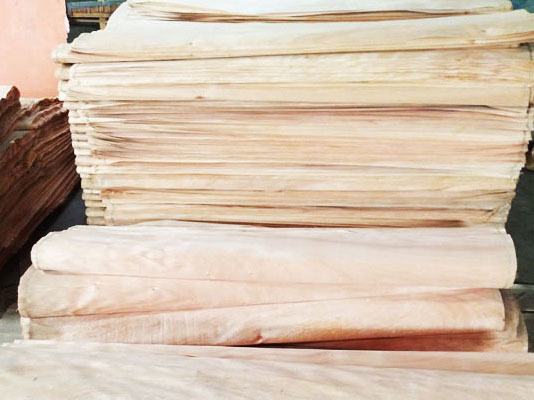

Is located in the logistics city of Shandong Province - Linyi City, Yitang Town Industrial Park is an international wood industry company integrating production, sales, processing and trade.
CONTACT US
 +8617661668329
 +8617661668329
 monica@sdyzwood.com
 Yitang Industrial Park, Yitang Town, Lanshan District, Linyi City, Shandong Province

Copyright © 2022 Shandong Yuanzuo All Rights Reserved. Powered by www.300.cn SEO