
language
English
العربية
বাংলাদেশ
Български
Hrvatski
Česky
Dansk
Nederland
 Esperanto
Slovenski
Filipino
Suomi
Français
Maori
 Shqiptare
Georgian
 Euskara
Deutsch
Ελλάδα
ישראל
इंडिया
Magyarország
Ísland
Indonesia
Irlanda
Italia
日本語
Sovensko
Հայաստան
한국
Kyrgyz
ປະເທດລາວ
 Zulu
Zulu
Latvian
Lithuanian
Luxembourgish
 Latinus
Macedonian
Малайская
Maltese
Монгол улс
 Cymraeg
ဗမာ
 தமிழ்
தமிழ்
नेपाल
Norge
ایران
Polska
Portugal
România
Российская
Србија
 Slovak
Србија
 Slovak
Bosanski
Slovenian
Беларус
España
Sverige
Точик
ประเทศไทย
Türk
Azərbaycan
Uzbek
 Afrikaans
Việt Nam

 +8617661668329
 NEWS
The Ultimate Guide to Choosing High-Quality Medium Density Fiberboard Sheets
2023-08-25
**Table of Contents**
1. Introduction
2. What is Medium Density Fiberboard?
3. Types of Medium Density Fiberboard
4. Applications of Medium Density Fiberboard
5. Factors to Consider When Choosing High-Quality MDF Sheets
5.1 Density
5.2 Formaldehyde Emission
5.3 Surface Smoothness
5.4 Moisture Resistance
5.5 Thickness and Dimensional Stability
5.6 Eco-Friendly Certification
5.7 Pricing
5.8 Brand Reputation
6. How to Identify High-Quality MDF Sheets
6.1 Density Test
6.2 Formaldehyde Content Test
6.3 Surface Inspection
6.4 Moisture Resistance Test
6.5 Dimensional Stability Test
6.6 Certifications and Standards
6.7 Supplier and Brand Evaluation
7. Frequently Asked Questions (FAQs)
7.1 What is the difference between MDF and plywood?
7.2 Can MDF be used outdoors?
7.3 How do I protect MDF from moisture?
7.4 Can MDF be painted?
7.5 Is MDF eco-friendly?
8. Conclusion
**1. Introduction**
Welcome to the ultimate guide on choosing high-quality medium density fiberboard (MDF) sheets. Whether you are a DIY enthusiast or a professional craftsman, selecting the right MDF sheets is crucial for the success of your projects. In this comprehensive guide, we will explore the various aspects of MDF, its applications, and provide valuable insights to help you make informed decisions.
**2. What is Medium Density Fiberboard?**
Medium Density Fiberboard (MDF) is a versatile engineered wood product made from wood fibers, resin, and wax. It is manufactured by compressing these materials under high pressure and temperature to create a dense and uniform panel. MDF offers a smooth and consistent surface, making it an excellent choice for a wide range of applications.
**3. Types of Medium Density Fiberboard**
There are different types of MDF available, each designed for specific purposes. Standard MDF, moisture-resistant MDF (MR/MDF), and fire-resistant MDF (FR/MDF) are the most common types. Standard MDF is suitable for interior applications, while MR/MDF is ideal for areas exposed to moisture. FR/MDF is used in applications where fire resistance is required.
**4. Applications of Medium Density Fiberboard**
MDF sheets find applications in various industries, including furniture manufacturing, interior design, cabinetry, molding, and more. Its versatility allows for easy shaping, cutting, and carving. It can be used to create intricate designs, decorative elements, and functional furniture pieces.
**5. Factors to Consider When Choosing High-Quality MDF Sheets**
When selecting MDF sheets, several factors should be taken into consideration to ensure you choose high-quality and suitable options for your project.
**5.1 Density**
The density of MDF determines its strength, durability, and overall quality. Opt for medium to high-density MDF sheets, as they offer better structural integrity and resistance to warping or sagging.
**5.2 Formaldehyde Emission**
Check the formaldehyde emission level of MDF sheets. Low-emission or CARB Phase 2 compliant MDF sheets are preferable as they have minimal impact on indoor air quality.
**5.3 Surface Smoothness**
Inspect the surface of the MDF sheet for smoothness and uniformity. High-quality MDF sheets have a consistent surface texture, free from bumps, cracks, or voids.
**5.4 Moisture Resistance**
Consider the level of moisture resistance required for your project. If your application involves exposure to moisture, choose MR/MDF sheets that have been specially treated to resist water damage.
**5.5 Thickness and Dimensional Stability**
Ensure the MDF sheets have the appropriate thickness for your project. Additionally, check their dimensional stability to avoid any potential problems with expansion or contraction.
**5.6 Eco-Friendly Certification**
If environmental sustainability is important to you, look for MDF sheets that are certified as eco-friendly. Certifications like Forest Stewardship Council (FSC) or Programme for the Endorsement of Forest Certification (PEFC) indicate responsible sourcing and production practices.
**5.7 Pricing**
Consider your budget and compare prices from different suppliers. While it is essential to find affordable options, prioritize quality over cost to ensure long-term durability and performance.
**5.8 Brand Reputation**
Choose reputable brands with a track record of delivering high-quality MDF sheets. Research customer reviews and ratings to gauge the reliability and satisfaction levels associated with different brands.
**6. How to Identify High-Quality MDF Sheets**
Now that we have discussed the key factors to consider, let's explore how to identify high-quality MDF sheets.
**6.1 Density Test**
To check the density, simply feel the weight of the MDF sheet. High-quality MDF sheets are heavier, indicating a higher density and better quality.
**6.2 Formaldehyde Content Test**
Contact the supplier or manufacturer to request the formaldehyde emission level information. Ensure the MDF sheets comply with the relevant regulations and standards.
**6.3 Surface Inspection**
Visually inspect the MDF sheet for any imperfections, such as bumps, cracks, or unevenness. Run your hand over the surface to feel for smoothness.
**6.4 Moisture Resistance Test**
If moisture resistance is crucial, expose a small section of the MDF sheet to water for a specified duration and observe its reaction. High-quality MR/MDF sheets will show minimal signs of swelling or damage.
**6.5 Dimensional Stability Test**
Measure the thickness and dimensions of the MDF sheet and compare them to the specified values. Additionally, conduct a stability test by exposing the sheet to different temperatures and humidity levels to ensure it remains dimensionally stable.
**6.6 Certifications and Standards**
Look for MDF sheets that carry eco-certifications such as FSC or PEFC. These certifications ensure sustainable sourcing practices and responsible forestry management.
**6.7 Supplier and Brand Evaluation**
Research and select suppliers known for their commitment to quality. Consider the reputation of the brand and read customer reviews to gauge their reliability and customer satisfaction levels.
**7. Frequently Asked Questions (FAQs)**
**7.1 What is the difference between MDF and plywood?**
MDF is made from wood fibers, while plywood is composed of thin layers of wood veneers. MDF offers a smoother surface, while plywood has better strength and resistance to moisture.
**7.2 Can MDF be used outdoors?**
No, MDF is not suitable for outdoor applications as it is susceptible to moisture damage. It is best used indoors where it can be protected from direct exposure to water.
**7.3 How do I protect MDF from moisture?**
To protect MDF from moisture, apply a suitable primer, sealant, or paint to all surfaces. Avoid placing MDF in areas prone to high humidity or direct water contact.
**7.4 Can MDF be painted?**
Yes, MDF can be painted. However, it is important to properly prepare the surface by sanding and priming it before applying paint for better adhesion and durability.
**7.5 Is MDF eco-friendly?**
MDF can be eco-friendly if it is sourced from sustainably managed forests and carries certifications like FSC or PEFC. Look for MDF sheets with these certifications to ensure environmentally responsible choices.
**8. Conclusion**
Selecting high-quality medium density fiberboard (MDF) sheets is crucial for the success of your projects. By considering factors like density, formaldehyde emission, surface smoothness, moisture resistance, and eco-friendly certifications, you can make informed decisions. Remember to evaluate suppliers and brands, conduct necessary tests, and prioritize quality over cost. With this ultimate guide, you are well-equipped to choose the right MDF sheets and achieve outstanding results in your woodworking endeavors.
1. Introduction
2. What is Medium Density Fiberboard?
3. Types of Medium Density Fiberboard
4. Applications of Medium Density Fiberboard
5. Factors to Consider When Choosing High-Quality MDF Sheets
5.1 Density
5.2 Formaldehyde Emission
5.3 Surface Smoothness
5.4 Moisture Resistance
5.5 Thickness and Dimensional Stability
5.6 Eco-Friendly Certification
5.7 Pricing
5.8 Brand Reputation
6. How to Identify High-Quality MDF Sheets
6.1 Density Test
6.2 Formaldehyde Content Test
6.3 Surface Inspection
6.4 Moisture Resistance Test
6.5 Dimensional Stability Test
6.6 Certifications and Standards
6.7 Supplier and Brand Evaluation
7. Frequently Asked Questions (FAQs)
7.1 What is the difference between MDF and plywood?
7.2 Can MDF be used outdoors?
7.3 How do I protect MDF from moisture?
7.4 Can MDF be painted?
7.5 Is MDF eco-friendly?
8. Conclusion
**1. Introduction**
Welcome to the ultimate guide on choosing high-quality medium density fiberboard (MDF) sheets. Whether you are a DIY enthusiast or a professional craftsman, selecting the right MDF sheets is crucial for the success of your projects. In this comprehensive guide, we will explore the various aspects of MDF, its applications, and provide valuable insights to help you make informed decisions.
**2. What is Medium Density Fiberboard?**
Medium Density Fiberboard (MDF) is a versatile engineered wood product made from wood fibers, resin, and wax. It is manufactured by compressing these materials under high pressure and temperature to create a dense and uniform panel. MDF offers a smooth and consistent surface, making it an excellent choice for a wide range of applications.
**3. Types of Medium Density Fiberboard**
There are different types of MDF available, each designed for specific purposes. Standard MDF, moisture-resistant MDF (MR/MDF), and fire-resistant MDF (FR/MDF) are the most common types. Standard MDF is suitable for interior applications, while MR/MDF is ideal for areas exposed to moisture. FR/MDF is used in applications where fire resistance is required.
**4. Applications of Medium Density Fiberboard**
MDF sheets find applications in various industries, including furniture manufacturing, interior design, cabinetry, molding, and more. Its versatility allows for easy shaping, cutting, and carving. It can be used to create intricate designs, decorative elements, and functional furniture pieces.
**5. Factors to Consider When Choosing High-Quality MDF Sheets**
When selecting MDF sheets, several factors should be taken into consideration to ensure you choose high-quality and suitable options for your project.
**5.1 Density**
The density of MDF determines its strength, durability, and overall quality. Opt for medium to high-density MDF sheets, as they offer better structural integrity and resistance to warping or sagging.
**5.2 Formaldehyde Emission**
Check the formaldehyde emission level of MDF sheets. Low-emission or CARB Phase 2 compliant MDF sheets are preferable as they have minimal impact on indoor air quality.
**5.3 Surface Smoothness**
Inspect the surface of the MDF sheet for smoothness and uniformity. High-quality MDF sheets have a consistent surface texture, free from bumps, cracks, or voids.
**5.4 Moisture Resistance**
Consider the level of moisture resistance required for your project. If your application involves exposure to moisture, choose MR/MDF sheets that have been specially treated to resist water damage.
**5.5 Thickness and Dimensional Stability**
Ensure the MDF sheets have the appropriate thickness for your project. Additionally, check their dimensional stability to avoid any potential problems with expansion or contraction.
**5.6 Eco-Friendly Certification**
If environmental sustainability is important to you, look for MDF sheets that are certified as eco-friendly. Certifications like Forest Stewardship Council (FSC) or Programme for the Endorsement of Forest Certification (PEFC) indicate responsible sourcing and production practices.
**5.7 Pricing**
Consider your budget and compare prices from different suppliers. While it is essential to find affordable options, prioritize quality over cost to ensure long-term durability and performance.
**5.8 Brand Reputation**
Choose reputable brands with a track record of delivering high-quality MDF sheets. Research customer reviews and ratings to gauge the reliability and satisfaction levels associated with different brands.
**6. How to Identify High-Quality MDF Sheets**
Now that we have discussed the key factors to consider, let's explore how to identify high-quality MDF sheets.
**6.1 Density Test**
To check the density, simply feel the weight of the MDF sheet. High-quality MDF sheets are heavier, indicating a higher density and better quality.
**6.2 Formaldehyde Content Test**
Contact the supplier or manufacturer to request the formaldehyde emission level information. Ensure the MDF sheets comply with the relevant regulations and standards.
**6.3 Surface Inspection**
Visually inspect the MDF sheet for any imperfections, such as bumps, cracks, or unevenness. Run your hand over the surface to feel for smoothness.
**6.4 Moisture Resistance Test**
If moisture resistance is crucial, expose a small section of the MDF sheet to water for a specified duration and observe its reaction. High-quality MR/MDF sheets will show minimal signs of swelling or damage.
**6.5 Dimensional Stability Test**
Measure the thickness and dimensions of the MDF sheet and compare them to the specified values. Additionally, conduct a stability test by exposing the sheet to different temperatures and humidity levels to ensure it remains dimensionally stable.
**6.6 Certifications and Standards**
Look for MDF sheets that carry eco-certifications such as FSC or PEFC. These certifications ensure sustainable sourcing practices and responsible forestry management.
**6.7 Supplier and Brand Evaluation**
Research and select suppliers known for their commitment to quality. Consider the reputation of the brand and read customer reviews to gauge their reliability and customer satisfaction levels.
**7. Frequently Asked Questions (FAQs)**
**7.1 What is the difference between MDF and plywood?**
MDF is made from wood fibers, while plywood is composed of thin layers of wood veneers. MDF offers a smoother surface, while plywood has better strength and resistance to moisture.
**7.2 Can MDF be used outdoors?**
No, MDF is not suitable for outdoor applications as it is susceptible to moisture damage. It is best used indoors where it can be protected from direct exposure to water.
**7.3 How do I protect MDF from moisture?**
To protect MDF from moisture, apply a suitable primer, sealant, or paint to all surfaces. Avoid placing MDF in areas prone to high humidity or direct water contact.
**7.4 Can MDF be painted?**
Yes, MDF can be painted. However, it is important to properly prepare the surface by sanding and priming it before applying paint for better adhesion and durability.
**7.5 Is MDF eco-friendly?**
MDF can be eco-friendly if it is sourced from sustainably managed forests and carries certifications like FSC or PEFC. Look for MDF sheets with these certifications to ensure environmentally responsible choices.
**8. Conclusion**
Selecting high-quality medium density fiberboard (MDF) sheets is crucial for the success of your projects. By considering factors like density, formaldehyde emission, surface smoothness, moisture resistance, and eco-friendly certifications, you can make informed decisions. Remember to evaluate suppliers and brands, conduct necessary tests, and prioritize quality over cost. With this ultimate guide, you are well-equipped to choose the right MDF sheets and achieve outstanding results in your woodworking endeavors.


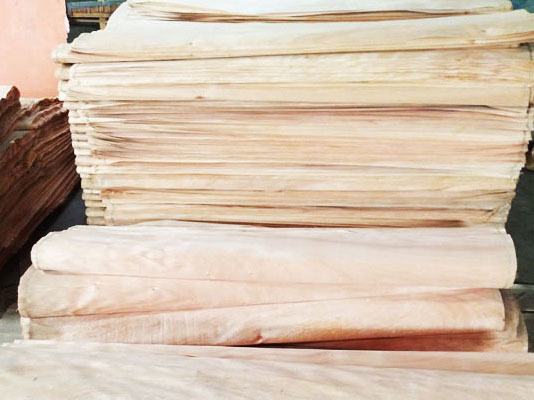

Is located in the logistics city of Shandong Province - Linyi City, Yitang Town Industrial Park is an international wood industry company integrating production, sales, processing and trade.
CONTACT US
 +8617661668329
 +8617661668329
 monica@sdyzwood.com
 Yitang Industrial Park, Yitang Town, Lanshan District, Linyi City, Shandong Province

Copyright © 2022 Shandong Yuanzuo All Rights Reserved. Powered by www.300.cn SEO