
language
English
العربية
বাংলাদেশ
Български
Hrvatski
Česky
Dansk
Nederland
 Esperanto
Slovenski
Filipino
Suomi
Français
Maori
 Shqiptare
Georgian
 Euskara
Deutsch
Ελλάδα
ישראל
इंडिया
Magyarország
Ísland
Indonesia
Irlanda
Italia
日本語
Sovensko
Հայաստան
한국
Kyrgyz
ປະເທດລາວ
 Zulu
Zulu
Latvian
Lithuanian
Luxembourgish
 Latinus
Macedonian
Малайская
Maltese
Монгол улс
 Cymraeg
ဗမာ
 தமிழ்
தமிழ்
नेपाल
Norge
ایران
Polska
Portugal
România
Российская
Србија
 Slovak
Србија
 Slovak
Bosanski
Slovenian
Беларус
España
Sverige
Точик
ประเทศไทย
Türk
Azərbaycan
Uzbek
 Afrikaans
Việt Nam

 +8617661668329
 NEWS
How to Choose the Best Medium Density Fiberboard Sheets for Your Construction and Decorative Projects
2023-11-25
Table of Contents:
1. Introduction
2. Understanding Medium Density Fiberboard (MDF)
3. Factors to Consider When Choosing MDF Sheets
3.1. Density and Thickness
3.2. Moisture Resistance
3.3. Formaldehyde Emissions
3.4. Surface Finish
3.5. Fire Resistance
3.6. Sustainability
3.7. Cost
4. Different Types of MDF Sheets
4.1. Standard MDF
4.2. Moisture-Resistant MDF
4.3. Fire-Rated MDF
4.4. Veneered MDF
4.5. Paint-Grade MDF
4.6. Ultra-Light MDF
4.7. Specialty MDF
5. Benefits and Applications of MDF Sheets
5.1. Furniture Making
5.2. Cabinetry
5.3. Flooring
5.4. Wall Paneling
5.5. Decorative Elements
5.6. Artistic Projects
6. Frequently Asked Questions (FAQs)
6.1. Can MDF be used outdoors?
6.2. What is the difference between MDF and plywood?
6.3. How do formaldehyde emissions affect indoor air quality?
6.4. Can MDF be painted?
6.5. How do I properly cut and shape MDF sheets?
7. Conclusion
Introduction
Medium Density Fiberboard (MDF) is a versatile and popular choice for construction and decorative projects. It offers a cost-effective alternative to solid wood while providing excellent stability and durability. However, choosing the right MDF sheets can be overwhelming due to the various options available in the market. This guide will walk you through the essential factors to consider and help you make an educated decision.
Understanding Medium Density Fiberboard (MDF)
MDF is an engineered wood product made by compressing wood fibers with a resin binder under high heat and pressure. It consists of fine particles, resulting in a smooth and uniform surface. MDF is known for its strength, consistency, and lack of natural defects found in solid wood.
Factors to Consider When Choosing MDF Sheets
1. Density and Thickness
The density and thickness of MDF sheets play a crucial role in determining their strength and suitability for specific applications. Higher density MDF offers better screw-holding capacity and resistance to warping and sagging.
2. Moisture Resistance
Depending on your project requirements, consider whether you need moisture-resistant MDF sheets. Moisture-resistant MDF is specially formulated to withstand humid environments, making it suitable for applications such as kitchens and bathrooms.
3. Formaldehyde Emissions
Check for MDF sheets with low formaldehyde emissions to ensure a healthier indoor environment. Look for products certified by reputable organizations such as the California Air Resources Board (CARB) or the Forest Stewardship Council (FSC).
4. Surface Finish
MDF sheets come in various surface finishes, including raw, laminated, and veneered. Consider the aesthetic appeal and functionality of the surface finish based on your project requirements.
5. Fire Resistance
For applications where fire safety is a concern, opt for fire-rated MDF sheets. These sheets have been treated with fire-resistant chemicals to slow down the spread of flames.
6. Sustainability
If eco-friendliness is important to you, choose MDF sheets made from sustainably sourced wood fibers and manufactured using environmentally friendly processes.
7. Cost
Evaluate your budget and compare the prices of different MDF sheets. Keep in mind that higher-quality MDF sheets may come at a premium but offer enhanced durability and performance.
Different Types of MDF Sheets
Understanding the different types of MDF sheets can help you choose the right one for your project. Here are some common types:
1. Standard MDF
The most basic type of MDF, suitable for a wide range of applications.
2. Moisture-Resistant MDF
Ideal for areas with high humidity, such as bathrooms and kitchens.
3. Fire-Rated MDF
Designed to meet fire safety regulations, making it suitable for commercial and public buildings.
4. Veneered MDF
Features a thin layer of real wood veneer on the surface, offering a more luxurious appearance.
5. Paint-Grade MDF
Specifically designed for painting, providing a smooth and even surface.
6. Ultra-Light MDF
A lightweight option that is easier to handle and transport.
7. Specialty MDF
Includes specialized types, such as bendable MDF or exterior-grade MDF, for specific project requirements.
Benefits and Applications of MDF Sheets
MDF sheets offer numerous benefits and can be used in various construction and decorative projects. Here are some common applications:
1. Furniture Making
MDF is widely used in furniture making due to its stability and versatility. It can be shaped into intricate designs and provides a smooth surface for painting or laminating.
2. Cabinetry
MDF is a popular choice for kitchen and bathroom cabinets due to its moisture resistance and ability to hold screws securely.
3. Flooring
MDF can be used as an underlayment for laminate or hardwood flooring, providing a stable base and reducing noise transmission.
4. Wall Paneling
MDF wall panels offer a cost-effective solution for decorative wall coverings, providing a smooth and uniform surface for paint or wallpaper.
5. Decorative Elements
MDF can be used to create decorative elements such as moldings, trim, and raised panels, adding visual interest to any space.
6. Artistic Projects
MDF's smooth surface and stability make it suitable for artistic projects such as sculptures, model making, and signage.
Frequently Asked Questions (FAQs)
1. Can MDF be used outdoors?
MDF is not suitable for outdoor use as it is not resistant to moisture and can swell or warp when exposed to rain or humidity.
2. What is the difference between MDF and plywood?
MDF is made from wood fibers, while plywood is made from thin layers of wood veneer glued together. Plywood tends to be stronger and more durable than MDF but may also be more expensive.
3. How do formaldehyde emissions affect indoor air quality?
Formaldehyde emissions can contribute to poor indoor air quality, leading to health issues such as respiratory problems and eye irritation. Choosing low-emission MDF can help minimize these risks.
4. Can MDF be painted?
Yes, MDF can be painted. However, it is essential to properly prepare the surface by sanding, priming, and using suitable paint products.
5. How do I properly cut and shape MDF sheets?
MDF can be cut and shaped using standard woodworking tools. It is important to wear protective gear and work in a well-ventilated area due to the fine dust particles produced during cutting.
Conclusion
Choosing the best medium density fiberboard sheets for your construction and decorative projects requires careful consideration of factors such as density, moisture resistance, formaldehyde emissions, surface finish, fire resistance, sustainability, and cost. By understanding the different types of MDF sheets and their applications, you can make an informed decision that meets your project's specific requirements. Remember to prioritize safety, quality, and durability to ensure the success of your project.
1. Introduction
2. Understanding Medium Density Fiberboard (MDF)
3. Factors to Consider When Choosing MDF Sheets
3.1. Density and Thickness
3.2. Moisture Resistance
3.3. Formaldehyde Emissions
3.4. Surface Finish
3.5. Fire Resistance
3.6. Sustainability
3.7. Cost
4. Different Types of MDF Sheets
4.1. Standard MDF
4.2. Moisture-Resistant MDF
4.3. Fire-Rated MDF
4.4. Veneered MDF
4.5. Paint-Grade MDF
4.6. Ultra-Light MDF
4.7. Specialty MDF
5. Benefits and Applications of MDF Sheets
5.1. Furniture Making
5.2. Cabinetry
5.3. Flooring
5.4. Wall Paneling
5.5. Decorative Elements
5.6. Artistic Projects
6. Frequently Asked Questions (FAQs)
6.1. Can MDF be used outdoors?
6.2. What is the difference between MDF and plywood?
6.3. How do formaldehyde emissions affect indoor air quality?
6.4. Can MDF be painted?
6.5. How do I properly cut and shape MDF sheets?
7. Conclusion
Introduction
Medium Density Fiberboard (MDF) is a versatile and popular choice for construction and decorative projects. It offers a cost-effective alternative to solid wood while providing excellent stability and durability. However, choosing the right MDF sheets can be overwhelming due to the various options available in the market. This guide will walk you through the essential factors to consider and help you make an educated decision.
Understanding Medium Density Fiberboard (MDF)
MDF is an engineered wood product made by compressing wood fibers with a resin binder under high heat and pressure. It consists of fine particles, resulting in a smooth and uniform surface. MDF is known for its strength, consistency, and lack of natural defects found in solid wood.
Factors to Consider When Choosing MDF Sheets
1. Density and Thickness
The density and thickness of MDF sheets play a crucial role in determining their strength and suitability for specific applications. Higher density MDF offers better screw-holding capacity and resistance to warping and sagging.
2. Moisture Resistance
Depending on your project requirements, consider whether you need moisture-resistant MDF sheets. Moisture-resistant MDF is specially formulated to withstand humid environments, making it suitable for applications such as kitchens and bathrooms.
3. Formaldehyde Emissions
Check for MDF sheets with low formaldehyde emissions to ensure a healthier indoor environment. Look for products certified by reputable organizations such as the California Air Resources Board (CARB) or the Forest Stewardship Council (FSC).
4. Surface Finish
MDF sheets come in various surface finishes, including raw, laminated, and veneered. Consider the aesthetic appeal and functionality of the surface finish based on your project requirements.
5. Fire Resistance
For applications where fire safety is a concern, opt for fire-rated MDF sheets. These sheets have been treated with fire-resistant chemicals to slow down the spread of flames.
6. Sustainability
If eco-friendliness is important to you, choose MDF sheets made from sustainably sourced wood fibers and manufactured using environmentally friendly processes.
7. Cost
Evaluate your budget and compare the prices of different MDF sheets. Keep in mind that higher-quality MDF sheets may come at a premium but offer enhanced durability and performance.
Different Types of MDF Sheets
Understanding the different types of MDF sheets can help you choose the right one for your project. Here are some common types:
1. Standard MDF
The most basic type of MDF, suitable for a wide range of applications.
2. Moisture-Resistant MDF
Ideal for areas with high humidity, such as bathrooms and kitchens.
3. Fire-Rated MDF
Designed to meet fire safety regulations, making it suitable for commercial and public buildings.
4. Veneered MDF
Features a thin layer of real wood veneer on the surface, offering a more luxurious appearance.
5. Paint-Grade MDF
Specifically designed for painting, providing a smooth and even surface.
6. Ultra-Light MDF
A lightweight option that is easier to handle and transport.
7. Specialty MDF
Includes specialized types, such as bendable MDF or exterior-grade MDF, for specific project requirements.
Benefits and Applications of MDF Sheets
MDF sheets offer numerous benefits and can be used in various construction and decorative projects. Here are some common applications:
1. Furniture Making
MDF is widely used in furniture making due to its stability and versatility. It can be shaped into intricate designs and provides a smooth surface for painting or laminating.
2. Cabinetry
MDF is a popular choice for kitchen and bathroom cabinets due to its moisture resistance and ability to hold screws securely.
3. Flooring
MDF can be used as an underlayment for laminate or hardwood flooring, providing a stable base and reducing noise transmission.
4. Wall Paneling
MDF wall panels offer a cost-effective solution for decorative wall coverings, providing a smooth and uniform surface for paint or wallpaper.
5. Decorative Elements
MDF can be used to create decorative elements such as moldings, trim, and raised panels, adding visual interest to any space.
6. Artistic Projects
MDF's smooth surface and stability make it suitable for artistic projects such as sculptures, model making, and signage.
Frequently Asked Questions (FAQs)
1. Can MDF be used outdoors?
MDF is not suitable for outdoor use as it is not resistant to moisture and can swell or warp when exposed to rain or humidity.
2. What is the difference between MDF and plywood?
MDF is made from wood fibers, while plywood is made from thin layers of wood veneer glued together. Plywood tends to be stronger and more durable than MDF but may also be more expensive.
3. How do formaldehyde emissions affect indoor air quality?
Formaldehyde emissions can contribute to poor indoor air quality, leading to health issues such as respiratory problems and eye irritation. Choosing low-emission MDF can help minimize these risks.
4. Can MDF be painted?
Yes, MDF can be painted. However, it is essential to properly prepare the surface by sanding, priming, and using suitable paint products.
5. How do I properly cut and shape MDF sheets?
MDF can be cut and shaped using standard woodworking tools. It is important to wear protective gear and work in a well-ventilated area due to the fine dust particles produced during cutting.
Conclusion
Choosing the best medium density fiberboard sheets for your construction and decorative projects requires careful consideration of factors such as density, moisture resistance, formaldehyde emissions, surface finish, fire resistance, sustainability, and cost. By understanding the different types of MDF sheets and their applications, you can make an informed decision that meets your project's specific requirements. Remember to prioritize safety, quality, and durability to ensure the success of your project.


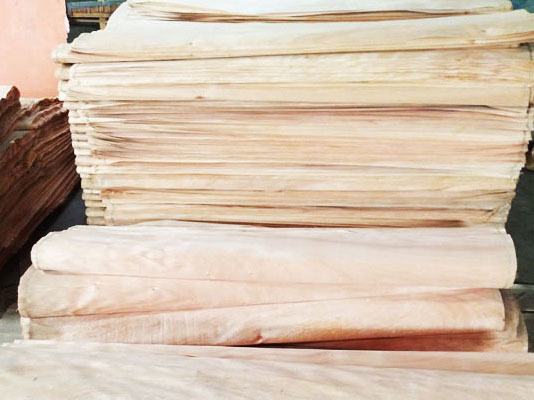

Is located in the logistics city of Shandong Province - Linyi City, Yitang Town Industrial Park is an international wood industry company integrating production, sales, processing and trade.
CONTACT US
 +8617661668329
 +8617661668329
 monica@sdyzwood.com
 Yitang Industrial Park, Yitang Town, Lanshan District, Linyi City, Shandong Province

Copyright © 2022 Shandong Yuanzuo All Rights Reserved. Powered by www.300.cn SEO