
language
English
العربية
বাংলাদেশ
Български
Hrvatski
Česky
Dansk
Nederland
 Esperanto
Slovenski
Filipino
Suomi
Français
Maori
 Shqiptare
Georgian
 Euskara
Deutsch
Ελλάδα
ישראל
इंडिया
Magyarország
Ísland
Indonesia
Irlanda
Italia
日本語
Sovensko
Հայաստան
한국
Kyrgyz
ປະເທດລາວ
 Zulu
Zulu
Latvian
Lithuanian
Luxembourgish
 Latinus
Macedonian
Малайская
Maltese
Монгол улс
 Cymraeg
ဗမာ
 தமிழ்
தமிழ்
नेपाल
Norge
ایران
Polska
Portugal
România
Российская
Србија
 Slovak
Србија
 Slovak
Bosanski
Slovenian
Беларус
España
Sverige
Точик
ประเทศไทย
Türk
Azərbaycan
Uzbek
 Afrikaans
Việt Nam

 +8617661668329
 NEWS
A Comprehensive Guide to Choosing the Best Primed Medium Density Fiberboard
2023-12-07
Table of Contents:
1. Introduction to Primed Medium Density Fiberboard (H2)
2. Understanding the Different Types of MDF (H2)
2.1 Standard MDF (H3)
2.2 Moisture-Resistant MDF (H3)
2.3 Fire-Rated MDF (H3)
2.4 Ultra-Light MDF (H3)
3. The Advantages of Primed MDF (H2)
4. Factors to Consider When Choosing Primed MDF (H2)
4.1 Thickness and Size (H3)
4.2 Density and Weight (H3)
4.3 Moisture Resistance (H3)
4.4 Fire Resistance (H3)
4.5 Surface Smoothness (H3)
4.6 Sustainability and Eco-Friendliness (H3)
5. How to Identify Quality Primed MDF (H2)
5.1 Certification and Standards (H3)
5.2 Surface Quality (H3)
5.3 Durability and Longevity (H3)
5.4 Manufacturer Reputation (H3)
6. Common Applications for Primed MDF (H2)
7. FAQs (H2)
7.1 What is the difference between primed MDF and regular MDF? (H3)
7.2 Can I paint directly on primed MDF? (H3)
7.3 How do I choose the right thickness of primed MDF? (H3)
7.4 Is primed MDF suitable for outdoor use? (H3)
7.5 Can I cut and shape primed MDF easily? (H3)
8. Conclusion (H2)
Introduction to Primed Medium Density Fiberboard (H2)
Primed Medium Density Fiberboard (MDF) is a popular choice in the construction and interior design industry due to its versatility, affordability, and ease of use. This comprehensive guide aims to provide you with all the necessary information to make an informed decision when choosing the best primed MDF for your project.
Understanding the Different Types of MDF (H2)
There are several types of MDF available in the market, each with its specific characteristics and applications. Understanding these types will help you select the most suitable one for your needs.
Standard MDF (H3)
Standard MDF is the most common type, widely used for various applications, including furniture, cabinetry, and decorative moldings. It offers excellent surface smoothness and is suitable for both interior and non-structural exterior projects.
Moisture-Resistant MDF (H3)
Moisture-resistant MDF, also known as MR MDF, is specially engineered to withstand humidity and moisture. It is ideal for applications in high-moisture areas such as kitchens, bathrooms, and laundry rooms.
Fire-Rated MDF (H3)
Fire-rated MDF is designed to meet strict fire safety regulations. It has enhanced fire resistance properties, making it suitable for applications where fire safety is crucial, such as commercial buildings and public spaces.
Ultra-Light MDF (H3)
Ultra-light MDF is a lightweight alternative to standard MDF. It offers excellent dimensional stability and is easier to handle and transport. It is commonly used in applications where weight reduction is a priority.
The Advantages of Primed MDF (H2)
Primed MDF offers numerous advantages that make it a popular choice among builders and designers. Some key benefits include:
1. Time and Cost Savings: Primed MDF comes pre-coated with a primer, eliminating the need for an additional priming step. This saves both time and money during the painting process.
2. Enhanced Paint Adhesion: The primer on primed MDF creates a smooth and consistent surface, improving paint adhesion and resulting in a more professional finish.
3. Reduced Paint Consumption: The primer on primed MDF helps seal the surface, reducing the amount of paint required for complete coverage.
4. Protection against Moisture and Stains: The primer acts as a protective barrier, preventing moisture penetration and staining, thus increasing the durability of the MDF.
Factors to Consider When Choosing Primed MDF (H2)
To ensure the best outcome for your project, it is essential to consider various factors when selecting primed MDF.
Thickness and Size (H3)
The thickness and size of primed MDF sheets are crucial factors to consider, depending on the intended application. Thicker and larger sheets offer more stability and are suitable for structural projects, while thinner and smaller sheets are ideal for non-structural and decorative purposes.
Density and Weight (H3)
The density and weight of primed MDF determine its strength and stability. Higher density MDF is sturdier and more durable, but also heavier. Consider the load-bearing requirements of your project when choosing the appropriate density.
Moisture Resistance (H3)
If your project involves exposure to moisture, such as in bathrooms or kitchens, opt for moisture-resistant primed MDF. It is specially treated to repel moisture and prevent swelling or warping.
Fire Resistance (H3)
For applications where fire safety is essential, choose fire-rated primed MDF. It offers enhanced fire resistance properties, providing additional time for evacuation in case of a fire.
Surface Smoothness (H3)
The surface smoothness of primed MDF contributes to the overall aesthetics of your project. Ensure that the surface is smooth and free from imperfections for a flawless paint finish.
Sustainability and Eco-Friendliness (H3)
Consider the environmental impact of your material choice by selecting primed MDF from sustainable sources. Look for certifications such as Forest Stewardship Council (FSC) or Program for the Endorsement of Forest Certification (PEFC) to ensure responsible sourcing.
How to Identify Quality Primed MDF (H2)
Identifying quality primed MDF is crucial to ensure the longevity and performance of your project. Consider the following factors when evaluating the quality of the material:
Certification and Standards (H3)
Look for primed MDF that complies with industry standards and certifications, such as FSC or PEFC. These certifications ensure that the material is sustainably sourced and meets stringent quality control measures.
Surface Quality (H3)
Inspect the primed MDF sheets for any surface defects, such as dents, scratches, or rough patches. A smooth and consistent surface is essential for a professional paint finish.
Durability and Longevity (H3)
Check the manufacturer's specifications and recommendations for the expected durability and longevity of the primed MDF. High-quality primed MDF should withstand normal wear and tear without compromising its structural integrity.
Manufacturer Reputation (H3)
Choose primed MDF from reputable manufacturers known for their commitment to quality and customer satisfaction. Research customer reviews and testimonials to gain insights into the manufacturer's track record.
Common Applications for Primed MDF (H2)
Primed MDF finds numerous applications in the construction and interior design industry, such as:
1. Furniture Manufacturing: Primed MDF is widely used for manufacturing furniture, including cabinets, tables, chairs, and shelving.
2. Architectural Millwork: It is an excellent choice for various architectural millwork applications, such as decorative moldings, trim, and paneling.
3. Interior Renovations: Primed MDF is a popular option for interior renovations, enabling easy customization and installation of new features.
4. Exhibition and Display Stands: It is commonly used in exhibition and display stands due to its versatility and ease of painting.
FAQs (H2)
Here are some frequently asked questions about primed MDF:
1. What is the difference between primed MDF and regular MDF? (H3)
Primed MDF comes with a pre-applied primer, saving time and effort during the painting process. Regular MDF requires an additional priming step before painting.
2. Can I paint directly on primed MDF? (H3)
Yes, primed MDF is ready for painting directly. However, ensure that the surface is clean and free from any dust or contaminants for optimal paint adhesion.
3. How do I choose the right thickness of primed MDF? (H3)
Consider the load-bearing requirements of your project when choosing the thickness of primed MDF. Thicker sheets offer more stability for structural applications, while thinner sheets are suitable for non-structural purposes.
4. Is primed MDF suitable for outdoor use? (H3)
Primed MDF is primarily designed for indoor applications. It is not recommended for prolonged exposure to moisture or extreme weather conditions. For outdoor use, consider using specialized outdoor-grade MDF.
5. Can I cut and shape primed MDF easily? (H3)
Yes, primed MDF can be easily cut and shaped using standard woodworking tools. However, it is essential to wear appropriate safety gear and follow proper cutting techniques.
Conclusion (H2)
Choosing the best primed MDF for your construction and interior design projects is a crucial decision. By understanding the different types, advantages, and factors to consider, you can make an informed choice that aligns with your specific requirements. Remember to prioritize quality, durability, and sustainability when selecting primed MDF to ensure the success and longevity of your project.
1. Introduction to Primed Medium Density Fiberboard (H2)
2. Understanding the Different Types of MDF (H2)
2.1 Standard MDF (H3)
2.2 Moisture-Resistant MDF (H3)
2.3 Fire-Rated MDF (H3)
2.4 Ultra-Light MDF (H3)
3. The Advantages of Primed MDF (H2)
4. Factors to Consider When Choosing Primed MDF (H2)
4.1 Thickness and Size (H3)
4.2 Density and Weight (H3)
4.3 Moisture Resistance (H3)
4.4 Fire Resistance (H3)
4.5 Surface Smoothness (H3)
4.6 Sustainability and Eco-Friendliness (H3)
5. How to Identify Quality Primed MDF (H2)
5.1 Certification and Standards (H3)
5.2 Surface Quality (H3)
5.3 Durability and Longevity (H3)
5.4 Manufacturer Reputation (H3)
6. Common Applications for Primed MDF (H2)
7. FAQs (H2)
7.1 What is the difference between primed MDF and regular MDF? (H3)
7.2 Can I paint directly on primed MDF? (H3)
7.3 How do I choose the right thickness of primed MDF? (H3)
7.4 Is primed MDF suitable for outdoor use? (H3)
7.5 Can I cut and shape primed MDF easily? (H3)
8. Conclusion (H2)
Introduction to Primed Medium Density Fiberboard (H2)
Primed Medium Density Fiberboard (MDF) is a popular choice in the construction and interior design industry due to its versatility, affordability, and ease of use. This comprehensive guide aims to provide you with all the necessary information to make an informed decision when choosing the best primed MDF for your project.
Understanding the Different Types of MDF (H2)
There are several types of MDF available in the market, each with its specific characteristics and applications. Understanding these types will help you select the most suitable one for your needs.
Standard MDF (H3)
Standard MDF is the most common type, widely used for various applications, including furniture, cabinetry, and decorative moldings. It offers excellent surface smoothness and is suitable for both interior and non-structural exterior projects.
Moisture-Resistant MDF (H3)
Moisture-resistant MDF, also known as MR MDF, is specially engineered to withstand humidity and moisture. It is ideal for applications in high-moisture areas such as kitchens, bathrooms, and laundry rooms.
Fire-Rated MDF (H3)
Fire-rated MDF is designed to meet strict fire safety regulations. It has enhanced fire resistance properties, making it suitable for applications where fire safety is crucial, such as commercial buildings and public spaces.
Ultra-Light MDF (H3)
Ultra-light MDF is a lightweight alternative to standard MDF. It offers excellent dimensional stability and is easier to handle and transport. It is commonly used in applications where weight reduction is a priority.
The Advantages of Primed MDF (H2)
Primed MDF offers numerous advantages that make it a popular choice among builders and designers. Some key benefits include:
1. Time and Cost Savings: Primed MDF comes pre-coated with a primer, eliminating the need for an additional priming step. This saves both time and money during the painting process.
2. Enhanced Paint Adhesion: The primer on primed MDF creates a smooth and consistent surface, improving paint adhesion and resulting in a more professional finish.
3. Reduced Paint Consumption: The primer on primed MDF helps seal the surface, reducing the amount of paint required for complete coverage.
4. Protection against Moisture and Stains: The primer acts as a protective barrier, preventing moisture penetration and staining, thus increasing the durability of the MDF.
Factors to Consider When Choosing Primed MDF (H2)
To ensure the best outcome for your project, it is essential to consider various factors when selecting primed MDF.
Thickness and Size (H3)
The thickness and size of primed MDF sheets are crucial factors to consider, depending on the intended application. Thicker and larger sheets offer more stability and are suitable for structural projects, while thinner and smaller sheets are ideal for non-structural and decorative purposes.
Density and Weight (H3)
The density and weight of primed MDF determine its strength and stability. Higher density MDF is sturdier and more durable, but also heavier. Consider the load-bearing requirements of your project when choosing the appropriate density.
Moisture Resistance (H3)
If your project involves exposure to moisture, such as in bathrooms or kitchens, opt for moisture-resistant primed MDF. It is specially treated to repel moisture and prevent swelling or warping.
Fire Resistance (H3)
For applications where fire safety is essential, choose fire-rated primed MDF. It offers enhanced fire resistance properties, providing additional time for evacuation in case of a fire.
Surface Smoothness (H3)
The surface smoothness of primed MDF contributes to the overall aesthetics of your project. Ensure that the surface is smooth and free from imperfections for a flawless paint finish.
Sustainability and Eco-Friendliness (H3)
Consider the environmental impact of your material choice by selecting primed MDF from sustainable sources. Look for certifications such as Forest Stewardship Council (FSC) or Program for the Endorsement of Forest Certification (PEFC) to ensure responsible sourcing.
How to Identify Quality Primed MDF (H2)
Identifying quality primed MDF is crucial to ensure the longevity and performance of your project. Consider the following factors when evaluating the quality of the material:
Certification and Standards (H3)
Look for primed MDF that complies with industry standards and certifications, such as FSC or PEFC. These certifications ensure that the material is sustainably sourced and meets stringent quality control measures.
Surface Quality (H3)
Inspect the primed MDF sheets for any surface defects, such as dents, scratches, or rough patches. A smooth and consistent surface is essential for a professional paint finish.
Durability and Longevity (H3)
Check the manufacturer's specifications and recommendations for the expected durability and longevity of the primed MDF. High-quality primed MDF should withstand normal wear and tear without compromising its structural integrity.
Manufacturer Reputation (H3)
Choose primed MDF from reputable manufacturers known for their commitment to quality and customer satisfaction. Research customer reviews and testimonials to gain insights into the manufacturer's track record.
Common Applications for Primed MDF (H2)
Primed MDF finds numerous applications in the construction and interior design industry, such as:
1. Furniture Manufacturing: Primed MDF is widely used for manufacturing furniture, including cabinets, tables, chairs, and shelving.
2. Architectural Millwork: It is an excellent choice for various architectural millwork applications, such as decorative moldings, trim, and paneling.
3. Interior Renovations: Primed MDF is a popular option for interior renovations, enabling easy customization and installation of new features.
4. Exhibition and Display Stands: It is commonly used in exhibition and display stands due to its versatility and ease of painting.
FAQs (H2)
Here are some frequently asked questions about primed MDF:
1. What is the difference between primed MDF and regular MDF? (H3)
Primed MDF comes with a pre-applied primer, saving time and effort during the painting process. Regular MDF requires an additional priming step before painting.
2. Can I paint directly on primed MDF? (H3)
Yes, primed MDF is ready for painting directly. However, ensure that the surface is clean and free from any dust or contaminants for optimal paint adhesion.
3. How do I choose the right thickness of primed MDF? (H3)
Consider the load-bearing requirements of your project when choosing the thickness of primed MDF. Thicker sheets offer more stability for structural applications, while thinner sheets are suitable for non-structural purposes.
4. Is primed MDF suitable for outdoor use? (H3)
Primed MDF is primarily designed for indoor applications. It is not recommended for prolonged exposure to moisture or extreme weather conditions. For outdoor use, consider using specialized outdoor-grade MDF.
5. Can I cut and shape primed MDF easily? (H3)
Yes, primed MDF can be easily cut and shaped using standard woodworking tools. However, it is essential to wear appropriate safety gear and follow proper cutting techniques.
Conclusion (H2)
Choosing the best primed MDF for your construction and interior design projects is a crucial decision. By understanding the different types, advantages, and factors to consider, you can make an informed choice that aligns with your specific requirements. Remember to prioritize quality, durability, and sustainability when selecting primed MDF to ensure the success and longevity of your project.


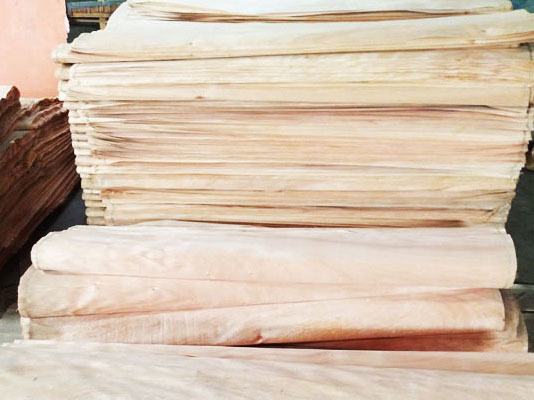

Is located in the logistics city of Shandong Province - Linyi City, Yitang Town Industrial Park is an international wood industry company integrating production, sales, processing and trade.
CONTACT US
 +8617661668329
 +8617661668329
 monica@sdyzwood.com
 Yitang Industrial Park, Yitang Town, Lanshan District, Linyi City, Shandong Province

Copyright © 2022 Shandong Yuanzuo All Rights Reserved. Powered by www.300.cn SEO