
language
English
العربية
বাংলাদেশ
Български
Hrvatski
Česky
Dansk
Nederland
 Esperanto
Slovenski
Filipino
Suomi
Français
Maori
 Shqiptare
Georgian
 Euskara
Deutsch
Ελλάδα
ישראל
इंडिया
Magyarország
Ísland
Indonesia
Irlanda
Italia
日本語
Sovensko
Հայաստան
한국
Kyrgyz
ປະເທດລາວ
 Zulu
Zulu
Latvian
Lithuanian
Luxembourgish
 Latinus
Macedonian
Малайская
Maltese
Монгол улс
 Cymraeg
ဗမာ
 தமிழ்
தமிழ்
नेपाल
Norge
ایران
Polska
Portugal
România
Российская
Србија
 Slovak
Србија
 Slovak
Bosanski
Slovenian
Беларус
España
Sverige
Точик
ประเทศไทย
Türk
Azərbaycan
Uzbek
 Afrikaans
Việt Nam

 +8617661668329
 NEWS
Understanding Medium Density Fiberboard and Its Applications: A Comprehensive Guide for Builders and Decorators
2023-12-11
Table of Contents
1. Introduction to Medium Density Fiberboard
2. Composition and Manufacturing Process
3. Properties and Advantages of MDF
4. Construction Applications of Medium Density Fiberboard
4.1 Subflooring and Underlayment
4.2 Interior Wall Panels
4.3 Cabinetry and Furniture
4.4 Doors and Door Frames
4.5 Architectural Millwork
5. Decorative Applications of Medium Density Fiberboard
5.1 Mouldings and Trim
5.2 Wall Cladding and Wainscoting
5.3 Shelving and Display Units
5.4 Artistic Installations
6. MDF in Comparison to Other Wood Materials
7. Frequently Asked Questions (FAQs)
7.1 What is the difference between MDF and plywood?
7.2 Can MDF be used outdoors?
7.3 How should I finish MDF surfaces?
7.4 Is MDF environmentally friendly?
7.5 Can MDF be shaped and carved?
8. Conclusion
1. Introduction to Medium Density Fiberboard
Medium Density Fiberboard (MDF) is a versatile and cost-effective wood-based composite material widely used in the construction and decoration industry. It is manufactured from wood fibers, resin, and wax, providing a stable and consistent product suitable for various applications.
2. Composition and Manufacturing Process
MDF is made by breaking down wood chips or fibers into small particles and combining them with resin and wax binders. The mixture is then pressed under high temperature and pressure, forming a dense and uniform board. This manufacturing process ensures excellent dimensional stability and uniformity throughout the board.
3. Properties and Advantages of MDF
MDF possesses several desirable properties that make it a preferred choice for builders and decorators. It has a smooth and consistent surface, making it easy to paint or laminate. MDF is also highly resistant to warping or splitting, providing durability and long-lasting performance. Additionally, its uniform composition allows for precise cutting and machining, making it suitable for intricate designs.
4. Construction Applications of Medium Density Fiberboard
4.1 Subflooring and Underlayment
MDF is commonly used as a subflooring material, providing a stable and level surface for other floor coverings. Its high density and smooth surface contribute to reducing noise transmission and providing thermal insulation. MDF underlayment is also utilized to enhance the stability and durability of flooring systems.
4.2 Interior Wall Panels
MDF panels are a popular choice for interior wall applications due to their versatility and ease of installation. They provide a smooth and consistent surface for painting or wall coverings, while also offering enhanced soundproofing and insulation properties. MDF panels can be customized to achieve various design effects, adding aesthetic appeal to any space.
4.3 Cabinetry and Furniture
MDF is widely used in the manufacturing of cabinetry and furniture due to its stability and cost-effectiveness. It allows for precise shaping and detailing, enabling the creation of intricate designs. The smooth surface of MDF also facilitates the application of finishes, such as paint or veneer, resulting in attractive and durable products.
4.4 Doors and Door Frames
With its dimensional stability and uniform composition, MDF is an excellent choice for doors and door frames. It resists warping, ensuring proper functioning over time. MDF doors and frames can be customized to match various architectural styles, providing a seamless integration with the overall design.
4.5 Architectural Millwork
MDF is extensively used in architectural millwork, including crown moldings, baseboards, and window casings. Its consistent density enables precise machining and intricate detailing, adding elegance and sophistication to any interior space.
5. Decorative Applications of Medium Density Fiberboard
5.1 Mouldings and Trim
MDF mouldings and trim are popular decorative elements used to enhance the aesthetics of interiors. Their smooth and consistent surface allows for easy painting or staining, complementing any design scheme. MDF mouldings and trim are available in various profiles and sizes, offering endless customization possibilities.
5.2 Wall Cladding and Wainscoting
MDF wall cladding and wainscoting provide an excellent alternative to traditional materials like wood or stone. They offer a cost-effective solution with easy installation and maintenance. MDF panels can be painted or finished to resemble other materials, thereby achieving desired visual effects.
5.3 Shelving and Display Units
MDF shelving and display units offer both functionality and style. Their strong and sturdy construction allows for supporting heavy loads, making them suitable for commercial and residential settings. MDF can be cut into various shapes and sizes, providing flexibility in designing unique shelving and display solutions.
5.4 Artistic Installations
Artists and designers often utilize MDF as a canvas for their creative installations. Its smooth surface and dimensional stability make it an ideal substrate for painting, carving, or engraving. MDF artwork can be found in galleries, museums, and public spaces, showcasing its versatility and artistic potential.
6. MDF in Comparison to Other Wood Materials
When compared to solid wood or plywood, MDF offers distinct advantages. It is more affordable, provides greater dimensional stability, and allows for precise shaping and detailing. However, it is essential to consider factors such as moisture resistance and load-bearing capacity when deciding on the appropriate material for specific applications.
7. Frequently Asked Questions (FAQs)
7.1 What is the difference between MDF and plywood?
MDF is made from wood fibers, while plywood consists of thin layers of wood veneer glued together. MDF has a more uniform composition and smoother surface, while plywood offers greater strength and resistance to moisture.
7.2 Can MDF be used outdoors?
MDF is not suitable for outdoor applications as it is not moisture resistant. Exposure to water can cause swelling and deterioration of the material. However, there are moisture-resistant MDF options available for certain outdoor uses.
7.3 How should I finish MDF surfaces?
MDF surfaces can be finished using various techniques, including painting, staining, or applying veneer. Proper surface preparation, such as sanding and priming, is crucial to ensure a smooth and durable finish.
7.4 Is MDF environmentally friendly?
MDF is made from wood fibers derived from sustainable sources, making it an environmentally friendly choice. However, its production involves the use of adhesives that may contain formaldehyde. It is important to select low-emission or formaldehyde-free MDF options to minimize potential health risks.
7.5 Can MDF be shaped and carved?
MDF can be easily shaped and carved using woodworking tools. Its uniform density allows for precise detailing and intricate designs. However, it is recommended to use appropriate safety measures, such as wearing a mask and eye protection, when working with MDF dust.
8. Conclusion
Medium Density Fiberboard (MDF) is a versatile and reliable material suitable for a wide range of construction and decoration applications. Its composition, properties, and ease of customization make it a preferred choice for builders and decorators worldwide. Whether used for subflooring, cabinetry, or artistic installations, MDF offers durability, stability, and endless design possibilities. Understanding the applications and advantages of MDF empowers builders and decorators to make informed decisions, resulting in successful and visually appealing projects.
1. Introduction to Medium Density Fiberboard
2. Composition and Manufacturing Process
3. Properties and Advantages of MDF
4. Construction Applications of Medium Density Fiberboard
4.1 Subflooring and Underlayment
4.2 Interior Wall Panels
4.3 Cabinetry and Furniture
4.4 Doors and Door Frames
4.5 Architectural Millwork
5. Decorative Applications of Medium Density Fiberboard
5.1 Mouldings and Trim
5.2 Wall Cladding and Wainscoting
5.3 Shelving and Display Units
5.4 Artistic Installations
6. MDF in Comparison to Other Wood Materials
7. Frequently Asked Questions (FAQs)
7.1 What is the difference between MDF and plywood?
7.2 Can MDF be used outdoors?
7.3 How should I finish MDF surfaces?
7.4 Is MDF environmentally friendly?
7.5 Can MDF be shaped and carved?
8. Conclusion
1. Introduction to Medium Density Fiberboard
Medium Density Fiberboard (MDF) is a versatile and cost-effective wood-based composite material widely used in the construction and decoration industry. It is manufactured from wood fibers, resin, and wax, providing a stable and consistent product suitable for various applications.
2. Composition and Manufacturing Process
MDF is made by breaking down wood chips or fibers into small particles and combining them with resin and wax binders. The mixture is then pressed under high temperature and pressure, forming a dense and uniform board. This manufacturing process ensures excellent dimensional stability and uniformity throughout the board.
3. Properties and Advantages of MDF
MDF possesses several desirable properties that make it a preferred choice for builders and decorators. It has a smooth and consistent surface, making it easy to paint or laminate. MDF is also highly resistant to warping or splitting, providing durability and long-lasting performance. Additionally, its uniform composition allows for precise cutting and machining, making it suitable for intricate designs.
4. Construction Applications of Medium Density Fiberboard
4.1 Subflooring and Underlayment
MDF is commonly used as a subflooring material, providing a stable and level surface for other floor coverings. Its high density and smooth surface contribute to reducing noise transmission and providing thermal insulation. MDF underlayment is also utilized to enhance the stability and durability of flooring systems.
4.2 Interior Wall Panels
MDF panels are a popular choice for interior wall applications due to their versatility and ease of installation. They provide a smooth and consistent surface for painting or wall coverings, while also offering enhanced soundproofing and insulation properties. MDF panels can be customized to achieve various design effects, adding aesthetic appeal to any space.
4.3 Cabinetry and Furniture
MDF is widely used in the manufacturing of cabinetry and furniture due to its stability and cost-effectiveness. It allows for precise shaping and detailing, enabling the creation of intricate designs. The smooth surface of MDF also facilitates the application of finishes, such as paint or veneer, resulting in attractive and durable products.
4.4 Doors and Door Frames
With its dimensional stability and uniform composition, MDF is an excellent choice for doors and door frames. It resists warping, ensuring proper functioning over time. MDF doors and frames can be customized to match various architectural styles, providing a seamless integration with the overall design.
4.5 Architectural Millwork
MDF is extensively used in architectural millwork, including crown moldings, baseboards, and window casings. Its consistent density enables precise machining and intricate detailing, adding elegance and sophistication to any interior space.
5. Decorative Applications of Medium Density Fiberboard
5.1 Mouldings and Trim
MDF mouldings and trim are popular decorative elements used to enhance the aesthetics of interiors. Their smooth and consistent surface allows for easy painting or staining, complementing any design scheme. MDF mouldings and trim are available in various profiles and sizes, offering endless customization possibilities.
5.2 Wall Cladding and Wainscoting
MDF wall cladding and wainscoting provide an excellent alternative to traditional materials like wood or stone. They offer a cost-effective solution with easy installation and maintenance. MDF panels can be painted or finished to resemble other materials, thereby achieving desired visual effects.
5.3 Shelving and Display Units
MDF shelving and display units offer both functionality and style. Their strong and sturdy construction allows for supporting heavy loads, making them suitable for commercial and residential settings. MDF can be cut into various shapes and sizes, providing flexibility in designing unique shelving and display solutions.
5.4 Artistic Installations
Artists and designers often utilize MDF as a canvas for their creative installations. Its smooth surface and dimensional stability make it an ideal substrate for painting, carving, or engraving. MDF artwork can be found in galleries, museums, and public spaces, showcasing its versatility and artistic potential.
6. MDF in Comparison to Other Wood Materials
When compared to solid wood or plywood, MDF offers distinct advantages. It is more affordable, provides greater dimensional stability, and allows for precise shaping and detailing. However, it is essential to consider factors such as moisture resistance and load-bearing capacity when deciding on the appropriate material for specific applications.
7. Frequently Asked Questions (FAQs)
7.1 What is the difference between MDF and plywood?
MDF is made from wood fibers, while plywood consists of thin layers of wood veneer glued together. MDF has a more uniform composition and smoother surface, while plywood offers greater strength and resistance to moisture.
7.2 Can MDF be used outdoors?
MDF is not suitable for outdoor applications as it is not moisture resistant. Exposure to water can cause swelling and deterioration of the material. However, there are moisture-resistant MDF options available for certain outdoor uses.
7.3 How should I finish MDF surfaces?
MDF surfaces can be finished using various techniques, including painting, staining, or applying veneer. Proper surface preparation, such as sanding and priming, is crucial to ensure a smooth and durable finish.
7.4 Is MDF environmentally friendly?
MDF is made from wood fibers derived from sustainable sources, making it an environmentally friendly choice. However, its production involves the use of adhesives that may contain formaldehyde. It is important to select low-emission or formaldehyde-free MDF options to minimize potential health risks.
7.5 Can MDF be shaped and carved?
MDF can be easily shaped and carved using woodworking tools. Its uniform density allows for precise detailing and intricate designs. However, it is recommended to use appropriate safety measures, such as wearing a mask and eye protection, when working with MDF dust.
8. Conclusion
Medium Density Fiberboard (MDF) is a versatile and reliable material suitable for a wide range of construction and decoration applications. Its composition, properties, and ease of customization make it a preferred choice for builders and decorators worldwide. Whether used for subflooring, cabinetry, or artistic installations, MDF offers durability, stability, and endless design possibilities. Understanding the applications and advantages of MDF empowers builders and decorators to make informed decisions, resulting in successful and visually appealing projects.


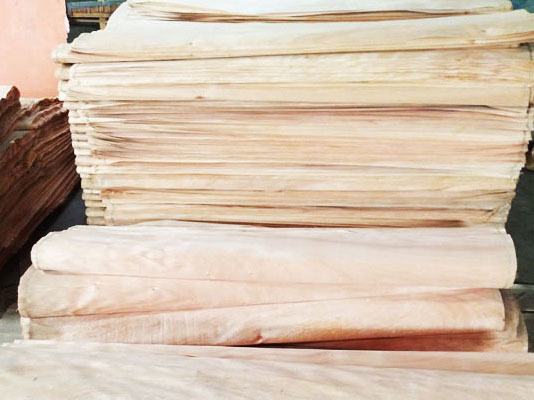

Is located in the logistics city of Shandong Province - Linyi City, Yitang Town Industrial Park is an international wood industry company integrating production, sales, processing and trade.
CONTACT US
 +8617661668329
 +8617661668329
 monica@sdyzwood.com
 Yitang Industrial Park, Yitang Town, Lanshan District, Linyi City, Shandong Province

Copyright © 2022 Shandong Yuanzuo All Rights Reserved. Powered by www.300.cn SEO