
language
English
العربية
বাংলাদেশ
Български
Hrvatski
Česky
Dansk
Nederland
 Esperanto
Slovenski
Filipino
Suomi
Français
Maori
 Shqiptare
Georgian
 Euskara
Deutsch
Ελλάδα
ישראל
इंडिया
Magyarország
Ísland
Indonesia
Irlanda
Italia
日本語
Sovensko
Հայաստան
한국
Kyrgyz
ປະເທດລາວ
 Zulu
Zulu
Latvian
Lithuanian
Luxembourgish
 Latinus
Macedonian
Малайская
Maltese
Монгол улс
 Cymraeg
ဗမာ
 தமிழ்
தமிழ்
नेपाल
Norge
ایران
Polska
Portugal
România
Российская
Србија
 Slovak
Србија
 Slovak
Bosanski
Slovenian
Беларус
España
Sverige
Точик
ประเทศไทย
Türk
Azərbaycan
Uzbek
 Afrikaans
Việt Nam

 +8617661668329
 NEWS
Everything You Need to Know About Medium Density Fiberboard Thickness
2023-11-27
Medium Density Fiberboard (MDF) is a widely used material in the construction and decorative materials industry, particularly in woodworking and board manufacturing. One of the key aspects to consider when working with MDF is its thickness. In this article, we will delve into the world of MDF thickness, exploring its importance and providing useful information for both professionals and enthusiasts.
Understanding MDF thickness is crucial as it directly affects the performance and applications of the material. MDF is available in various thicknesses, ranging from as thin as 2mm up to 25mm or more. The thickness you choose depends on the specific project requirements and the intended use of the MDF.
Thicker MDF sheets are generally more rigid and provide better structural stability. They are suitable for applications that require enhanced strength and durability, such as cabinet construction or furniture manufacturing. Thicker MDF also offers better resistance to warping or sagging over time, ensuring long-lasting results.
On the other hand, thinner MDF sheets are typically used for applications that prioritize flexibility and versatility. They are suitable for intricate designs, curved surfaces, or projects where weight reduction is essential. Thinner MDF can be easily shaped, cut, or bent to meet specific design requirements, making it a preferred choice for interior decorations and crafts.
When selecting the appropriate MDF thickness for your project, it is essential to consider the load-bearing capacity, intended use, and budget constraints. Thicker MDF may be more expensive and may require specialized tools and techniques for cutting and shaping. Thinner MDF, while more affordable, may not offer the same level of durability for heavy-duty applications.
It is worth noting that MDF thickness can also affect the overall weight of the finished product. Thicker MDF will naturally add more weight, while thinner MDF helps reduce the overall weight, making transportation and installation easier.
To summarize, medium density fiberboard thickness plays a significant role in determining the strength, durability, and versatility of the material. Whether you are working on a large-scale construction project or a small craft, understanding the impact of thickness on MDF will enable you to make informed decisions for achieving the desired results.
Remember to consider the specific requirements of your project and choose the appropriate MDF thickness accordingly.
Understanding MDF thickness is crucial as it directly affects the performance and applications of the material. MDF is available in various thicknesses, ranging from as thin as 2mm up to 25mm or more. The thickness you choose depends on the specific project requirements and the intended use of the MDF.
Thicker MDF sheets are generally more rigid and provide better structural stability. They are suitable for applications that require enhanced strength and durability, such as cabinet construction or furniture manufacturing. Thicker MDF also offers better resistance to warping or sagging over time, ensuring long-lasting results.
On the other hand, thinner MDF sheets are typically used for applications that prioritize flexibility and versatility. They are suitable for intricate designs, curved surfaces, or projects where weight reduction is essential. Thinner MDF can be easily shaped, cut, or bent to meet specific design requirements, making it a preferred choice for interior decorations and crafts.
When selecting the appropriate MDF thickness for your project, it is essential to consider the load-bearing capacity, intended use, and budget constraints. Thicker MDF may be more expensive and may require specialized tools and techniques for cutting and shaping. Thinner MDF, while more affordable, may not offer the same level of durability for heavy-duty applications.
It is worth noting that MDF thickness can also affect the overall weight of the finished product. Thicker MDF will naturally add more weight, while thinner MDF helps reduce the overall weight, making transportation and installation easier.
To summarize, medium density fiberboard thickness plays a significant role in determining the strength, durability, and versatility of the material. Whether you are working on a large-scale construction project or a small craft, understanding the impact of thickness on MDF will enable you to make informed decisions for achieving the desired results.
Remember to consider the specific requirements of your project and choose the appropriate MDF thickness accordingly.


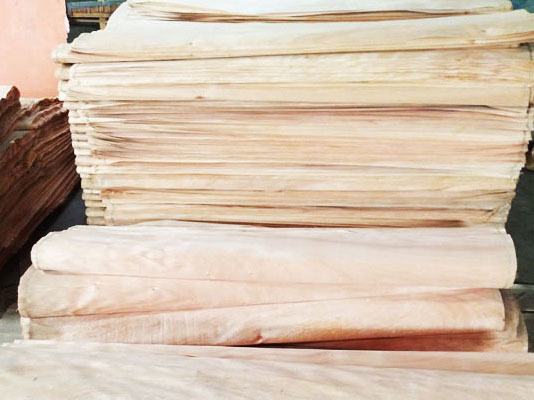

Is located in the logistics city of Shandong Province - Linyi City, Yitang Town Industrial Park is an international wood industry company integrating production, sales, processing and trade.
CONTACT US
 +8617661668329
 +8617661668329
 monica@sdyzwood.com
 Yitang Industrial Park, Yitang Town, Lanshan District, Linyi City, Shandong Province

Copyright © 2022 Shandong Yuanzuo All Rights Reserved. Powered by www.300.cn SEO