
language
English
العربية
বাংলাদেশ
Български
Hrvatski
Česky
Dansk
Nederland
 Esperanto
Slovenski
Filipino
Suomi
Français
Maori
 Shqiptare
Georgian
 Euskara
Deutsch
Ελλάδα
ישראל
इंडिया
Magyarország
Ísland
Indonesia
Irlanda
Italia
日本語
Sovensko
Հայաստան
한국
Kyrgyz
ປະເທດລາວ
 Zulu
Zulu
Latvian
Lithuanian
Luxembourgish
 Latinus
Macedonian
Малайская
Maltese
Монгол улс
 Cymraeg
ဗမာ
 தமிழ்
தமிழ்
नेपाल
Norge
ایران
Polska
Portugal
România
Российская
Србија
 Slovak
Србија
 Slovak
Bosanski
Slovenian
Беларус
España
Sverige
Точик
ประเทศไทย
Türk
Azərbaycan
Uzbek
 Afrikaans
Việt Nam

 +8617661668329
 NEWS
Understanding Medium Density Fiberboard (MDF) Panels and Their Components
2023-12-13
Title: Unlocking the Secrets of Medium Density Fiberboard (MDF) Panels and Their Composition
Introduction:
Medium Density Fiberboard (MDF) panels are a vital component in the construction and decorative materials industry. This article aims to shed light on the composition and uses of MDF panels, providing valuable insights into their significance within the field of wood and board materials.
MDF panels, short for medium density fiberboard panels, are engineered wood products commonly used in construction, cabinetry, and furniture-making. Composed of wood fibers, resin binders, and other additives, MDF panels offer a cost-effective and versatile alternative to solid wood.
The components of MDF panels play crucial roles in determining their characteristics and applications. The main components include wood fibers, resins, and additives such as wax and paraffin. Wood fibers, derived from various hardwood and softwood species, are mechanically processed to create a refined material suitable for panel production. The choice of wood fibers can impact the overall quality and performance of the MDF panels.
Resin binders, typically urea-formaldehyde or melamine-urea-formaldehyde, act as adhesives, binding the wood fibers together to form a solid and homogenous panel. These resins provide MDF panels with their inherent strength, stability, and durability. Additionally, they contribute to the moisture resistance of the panels, making them suitable for both interior and exterior applications.
Additives like wax and paraffin are incorporated into MDF panels to enhance their performance and workability. These additives assist in reducing friction during the manufacturing process, improving the machinability of the panels. Furthermore, they contribute to the smoothness of the panel's surface, facilitating easier finishing and painting.
Medium density fiberboard panels have become increasingly popular due to their consistent quality, uniform density, and ease of customization. They offer a smooth and uniform surface, making them ideal for applications that require painting, veneering, or laminating. MDF panels can be shaped, routed, and cut into various designs, providing architects, designers, and craftsmen with endless creative possibilities.
In summary, medium density fiberboard panels are composed of wood fibers, resin binders, and additives. Understanding the components of MDF panels is crucial for realizing their potential and making informed decisions in the realm of construction and decorative materials. Whether used in cabinetry, furniture, or architectural applications, MDF panels offer a reliable and versatile solution that combines affordability with exceptional performance.
Introduction:
Medium Density Fiberboard (MDF) panels are a vital component in the construction and decorative materials industry. This article aims to shed light on the composition and uses of MDF panels, providing valuable insights into their significance within the field of wood and board materials.
MDF panels, short for medium density fiberboard panels, are engineered wood products commonly used in construction, cabinetry, and furniture-making. Composed of wood fibers, resin binders, and other additives, MDF panels offer a cost-effective and versatile alternative to solid wood.
The components of MDF panels play crucial roles in determining their characteristics and applications. The main components include wood fibers, resins, and additives such as wax and paraffin. Wood fibers, derived from various hardwood and softwood species, are mechanically processed to create a refined material suitable for panel production. The choice of wood fibers can impact the overall quality and performance of the MDF panels.
Resin binders, typically urea-formaldehyde or melamine-urea-formaldehyde, act as adhesives, binding the wood fibers together to form a solid and homogenous panel. These resins provide MDF panels with their inherent strength, stability, and durability. Additionally, they contribute to the moisture resistance of the panels, making them suitable for both interior and exterior applications.
Additives like wax and paraffin are incorporated into MDF panels to enhance their performance and workability. These additives assist in reducing friction during the manufacturing process, improving the machinability of the panels. Furthermore, they contribute to the smoothness of the panel's surface, facilitating easier finishing and painting.
Medium density fiberboard panels have become increasingly popular due to their consistent quality, uniform density, and ease of customization. They offer a smooth and uniform surface, making them ideal for applications that require painting, veneering, or laminating. MDF panels can be shaped, routed, and cut into various designs, providing architects, designers, and craftsmen with endless creative possibilities.
In summary, medium density fiberboard panels are composed of wood fibers, resin binders, and additives. Understanding the components of MDF panels is crucial for realizing their potential and making informed decisions in the realm of construction and decorative materials. Whether used in cabinetry, furniture, or architectural applications, MDF panels offer a reliable and versatile solution that combines affordability with exceptional performance.


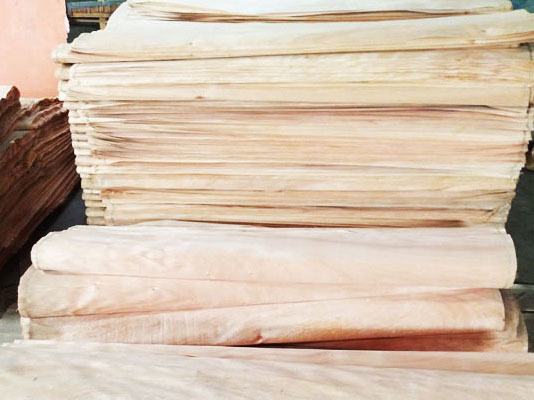

Is located in the logistics city of Shandong Province - Linyi City, Yitang Town Industrial Park is an international wood industry company integrating production, sales, processing and trade.
CONTACT US
 +8617661668329
 +8617661668329
 monica@sdyzwood.com
 Yitang Industrial Park, Yitang Town, Lanshan District, Linyi City, Shandong Province

Copyright © 2022 Shandong Yuanzuo All Rights Reserved. Powered by www.300.cn SEO